

How a Second Opinion Can Save You from Unnecessary Spine Surgery
Walking out of a doctor’s office with the words “you need spine surgery” ringing in your ears can feel overwhelming. For many patients, that diagnosis arrives with little explanation, few alternatives, and a sense that refusing surgery means resigning yourself to a lifetime of pain. The decision feels less like a choice and more like an ultimatum.
A second opinion is not a delay tactic or a sign of doubt. It is a standard, prudent step when the decision carries lifelong consequences for mobility, function, and quality of life. A careful second look can confirm that surgery truly fits your condition, or it can uncover non-surgical or less invasive options that protect motion and reduce risk. Either outcome serves your long-term health.
Dr. Joel Beckett is a spine neurosurgeon in Marina del Rey with fellowship training in both minimally invasive spine surgery and complex spinal deformity. That combination matters. It allows him to evaluate straightforward problems with restraint, while also recognizing when a larger operation truly is necessary. Patients come to him not just for surgical skill, but for judgment—an ability to distinguish between findings that look concerning on an MRI and conditions that actually require an operation.
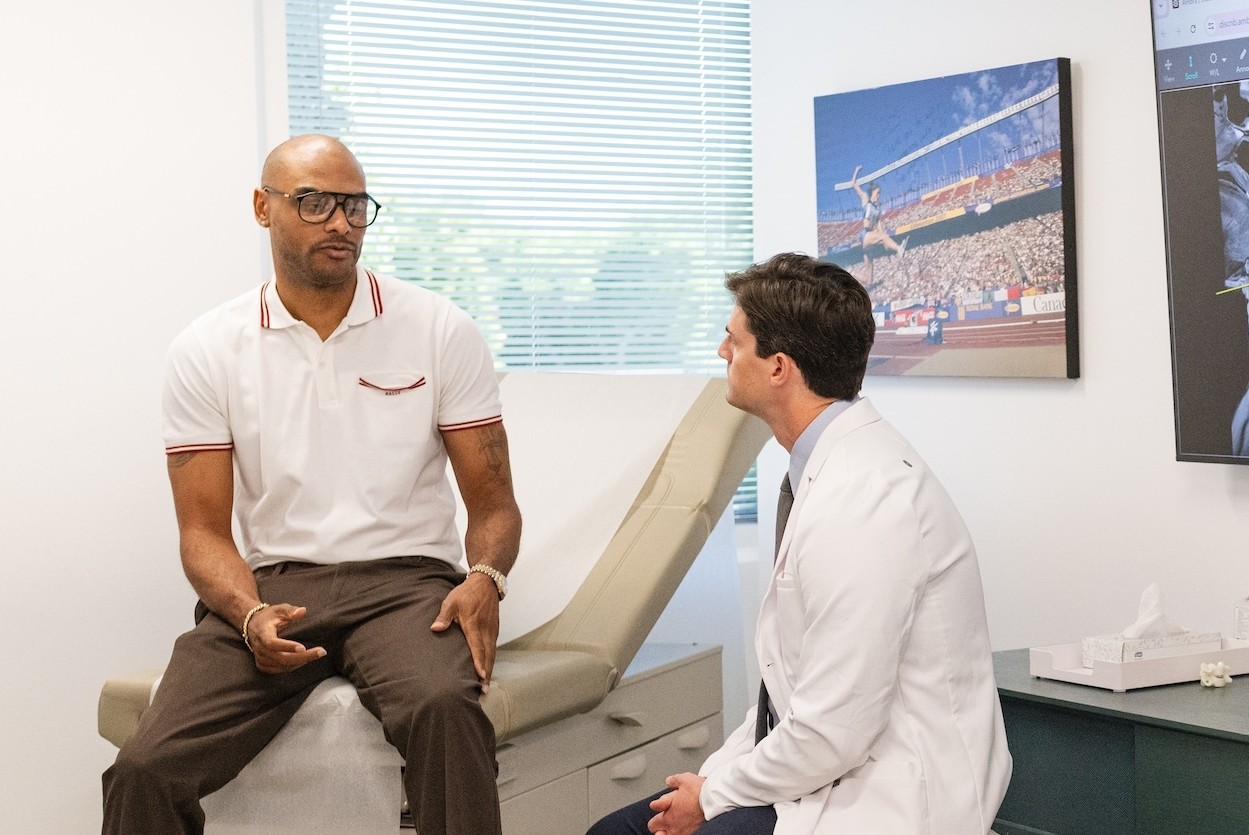
In second-opinion consultations, Dr. Beckett focuses on clarity rather than momentum. He helps patients understand what their imaging does and does not explain, how symptoms and exam findings fit together, and which treatment paths align with their long-term goals. Sometimes that means confirming surgery. Often, it means slowing down, reconsidering options, and preserving motion whenever possible.
Why Second Opinions Matter in Spine Surgery
Spine surgery is a significant decision, often with long-term consequences. While it can relieve pain and restore function, it may also permanently alter spinal mechanics. Recovery can take months, and the effects can influence mobility, work, and daily life well beyond the operating room. For that reason, the decision to operate deserves careful scrutiny.
Seeking a second opinion serves a few key purposes:
- Refining the Surgical Plan: A second opinion can help determine whether a proposed operation is broader than necessary, or whether a more targeted approach could address the problem with less disruption to surrounding structures.
- Confirming the Need for Surgery: It provides peace of mind by verifying that surgery is truly the best path forward for your specific condition.
- Revealing Alternatives: A fresh set of eyes may identify options you weren’t offered initially, such as motion-preserving artificial disc replacements or minimally invasive techniques that spare muscle and speed up recovery.
At its core, a second opinion is not about questioning another physician’s intent or expertise. It is about making sure the proposed plan fits you—your symptoms, your anatomy, and your long-term priorities.
How Often Spine Surgery Is Avoidable
One of the most common misconceptions in spine care is that an “abnormal” MRI automatically means surgery is needed. Many imaging findings are often just natural signs of aging. Dr. Beckett emphasizes that we treat people, not pictures.
Before considering any incision, a comprehensive treatment plan should first explore conservative therapies. Many painful conditions can be resolved without entering an operating room:
- Activity Modification and Physical Therapy: Targeted exercises to strengthen the core and stabilize the spine can often relieve pressure on nerves.
- Anti-Inflammatory Medications: When appropriate, managing inflammation can reduce pain levels enough to participate in rehabilitation.
- Targeted Injections: Epidural or nerve root injections can provide powerful, localized relief, helping to confirm the exact source of pain while calming irritated nerves.
- Bracing and Posture Interventions: Correcting alignment issues through external support can offload stress from damaged spinal structures.
Dr. Beckett designs your treatment plan with the primary goal of avoiding surgery whenever it is safe and reasonable to do so. In fact, for procedures like artificial disc replacement, he typically requires that patients have tried several months of conservative treatment first. This disciplined approach ensures that if surgery is eventually recommended, it is actually necessary.
When You Should Consider a Second Opinion
Knowing when to pause and ask for another perspective can be difficult, especially when you are in pain and just want relief. However, certain situations act as warning signs that a second look is not just helpful, but necessary to protect your long-term health.
You should strongly consider scheduling a consultation with Dr. Beckett if:
- Surgery was recommended at your very first visit: Unless there is a severe neurological emergency, jumping straight to surgery without building a patient-doctor relationship or trying other therapies is rarely the standard of care.
- No non-surgical options were discussed: If your surgeon didn’t offer physical therapy, injections, or lifestyle changes before proposing an operation, you may be missing out on a less invasive cure.
- The recommended plan is a large, multi-level fusion: Fusing multiple levels of the spine permanently alters your biomechanics; a second opinion can determine if motion-preserving options or a smaller surgery could work instead.
- Your symptoms don’t match your MRI: If your pain is in your leg but the MRI shows a problem in a different area, operating on that “abnormal” looking spot won’t fix your pain.
- You have already had spine surgery and are being told you need another: Revision surgery is complex, and “fixing” a failed surgery often requires a different strategy—not just more of the same.
Ultimately, trust your instincts. If you feel like you should get a second opinion, do it.
What Happens During a Second Opinion with Dr. Joel Beckett
A second opinion appointment isn’t just a quick “yes or no” on your previous doctor’s plan; it is a complete re-evaluation of your spine health.
When you visit Beckett NeuroSpine for a second opinion, you can expect:
- A Deep Dive into Your History: We review your complete medical story, including previous treatments, what has helped, what hasn’t, and exactly how your symptoms started.
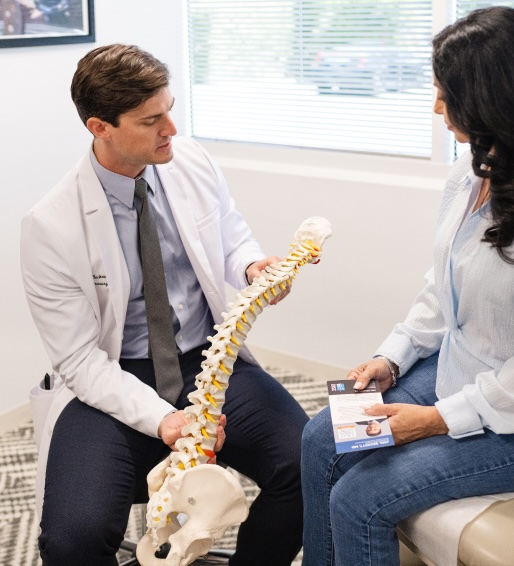
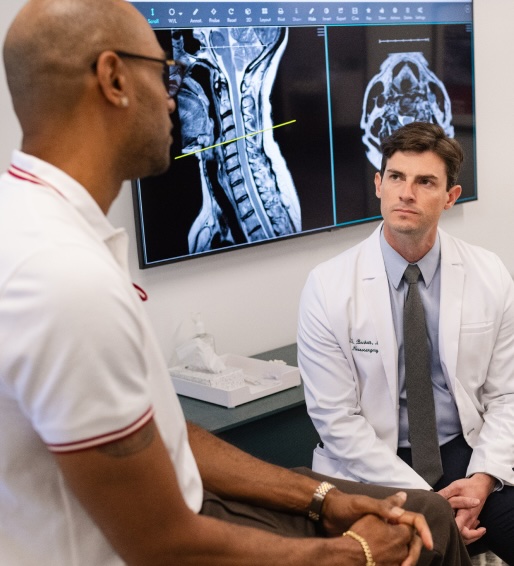
- A Clear Review of Your Imaging: Dr. Beckett doesn’t just look at your scans alone; he puts your MRI, CT, or X-rays on the screen and walks you through them step-by-step, translating complex medical imagery into plain English so you see exactly what he sees.
- A Focused Physical Exam: Imaging only tells half the story. A hands-on neurologic and spine exam is critical to pinpoint exactly where your pain is coming from.
- A Conversation About You: Your treatment should match your life. Whether you are an athlete wanting to return to competition or a grandparent wanting to lift your grandkids, your lifestyle goals dictate the right treatment path.
Ultimately, Dr. Beckett’s is determining if your symptoms and your physical exam are explained by your imaging. If those things don’t match up, surgery is rarely the answer.
Common Reasons Patients Are Told They Need Surgery Too Soon
Here are some patterns Dr. Beckett sees:
- Surgically Treating Normal Aging: Just as our hair greys and skin wrinkles, our spines change with age. Dr. Beckett often sees patients being told that normal, age-related wear and tear that need surgery, rather than natural processes that can be managed conservatively.
- The “Fusion for Everything” Mindset: Many surgeons are trained primarily in fusion techniques so that’s often what they recommend. But spinal fusion permanently locks the spinal bones together. Many conditions might be better treated with motion-preserving options like artificial disc replacement.
- Skipping the Basics: Surgery is powerful, but so is the body’s ability to heal. Too often, patients are offered surgery before they have truly exhausted physical therapy, targeted injections, or anti-inflammatory strategies that could resolve the pain without a scalpel.
- Treating the Picture, Not the Person: It is common for surgeons to focus solely on the spinal level that “looks the worst” on an MRI. However, without assessing the spine’s overall alignment and stability, fixing one bad-looking spot can sometimes miss the real root cause of the problem.
A second opinion is a crucial safeguard against these patterns. It resets the conversation, moving away from “how quickly can we operate?” to “is this operation truly necessary?” By uncovering these issues, Dr. Beckett helps patients avoid procedures that might fix a picture on a screen but fail to fix the patient.
How a Second Opinion Can Change Your Treatment Plan
Dr. Beckett has seen many cases where a fresh perspective transformed a patient’s prognosis, turning a daunting surgical recommendation into a manageable, less invasive plan.
Practical shifts that often happen after a second opinion include:
- Hitting the “Pause” Button: Moving from a scheduled surgery date to a structured trial of conservative care, often finding that the body can heal itself without intervention.
- Minimizing the Incision: Changing the plan from a large, open back surgery to a minimally invasive approach that spares muscle, reduces pain, and speeds up recovery.
- Preserving Motion: Transitioning from a recommended multi-level fusion, which permanently limits flexibility, to motion-preserving options like artificial disc replacement that keep you moving.
- Saving Natural Anatomy: Reducing the scope of a proposed surgery, for example, by operating on only one spinal level instead of two, preserving as much of your natural spine structure as possible.
- Confirming the Right Choice: In many cases, the first surgeon was right. In these cases, a second opinion provides valuable peace of mind, allowing you to move forward with surgery knowing confidently that it is the best possible option for your health.
The goal of a second opinion is never simply to “undo” another surgeon’s work or prove someone wrong. The goal is purely to ensure that the plan is right for you. Whether that means changing the plan entirely or proceeding with renewed confidence, the outcome is a patient who is empowered, informed, and ready to heal.
Second Opinions for Specific Spine Conditions
The value of a second opinion often depends on the specific diagnosis. Different spinal conditions have nuances that can lead to very different treatment recommendations.
Here is how a second look can clarify the path for common issues:
Herniated Disc and Radiculopathy
A second opinion can determine whether a simpler, outpatient microdiscectomy is sufficient to relieve nerve compression, or whether targeted injections might avoid surgery entirely.
Spinal Stenosis and Spinal Cord Compression
When spinal narrowing causes neurologic symptoms, surgery may be appropriate, but the specifics matter. A second opinion can clarify whether decompression alone is sufficient or whether stabilization is truly required.
Spondylolisthesis and Spine Deformity
Extensive fusion is often recommended for conditions involving spinal instability or abnormal curvature. A second opinion helps determine whether the proposed scope of surgery is necessary or whether a more limited stabilization would achieve the same goal.
Recurrent Symptoms After Prior Spine Surgery
Persistent or recurrent symptoms after spine surgery do not automatically mean another operation is needed. A second opinion can clarify whether revision surgery is appropriate or whether non-surgical management remains reasonable.
Dr. Beckett’s training in both minimally invasive spine surgery and complex spinal deformity allows him to evaluate these decisions across the full spectrum of care, helping ensure that treatment remains proportional to the problem being treated.
What to Bring to Your Second Opinion Appointment
To get the most value out of your second opinion, preparation is key. Dr. Beckett can give you the most accurate, personalized guidance when he has a complete picture of your medical history right from the start.
Please bring the following items to your consultation:
- Your most recent MRI, CT scans, and/or X-rays: Please bring the actual images on a disc or have a digital link ready, not just the written reports. Dr. Beckett will need to directly review the images.
- Medical Records: Copies of radiology reports and notes from previous spine consultations.
- Surgical History: If you have had spine surgery in the past, please bring the operative reports (which detail exactly what was done).
- Treatment Log: A list of your current medications, as well as a record of past treatments (physical therapy, injections, chiropractic care) and a note on how much they helped (or didn’t).
- Your Questions: A written list of your specific questions and concerns so we can ensure every single one is addressed.
Coming prepared with these details allows Dr. Beckett to spend less time hunting for information and more time focusing on you, your scans, and your best path forward.
Questions to Ask During a Second Opinion
Some questions worth asking: can be remembered with the mnemonic CLARITY:
C — Cause: What is the cause of my pain or neurologic symptoms?
L — Location: Which spinal level explains my symptoms, and does it match my imaging?
A — Alternatives: What non-surgical options remain, and what should we try next?
R — Recommendation: If I need surgery, what procedure do you recommend and why?
I — Impact: How will this treatment affect my motion, activity, and function long term?
T — Timeline: What does recovery look like, and when can I return to work and normal activities?
Y — Your backup plan: If this does not work as planned, what is the next step?
Dr. Beckett encourages you to write your questions down and bring them to your appointment. An informed patient tends to be a healthier patient after treatment.
Red Flags That You May Need Yet Another Opinion
While most surgeons have your best interests at heart, there are warning signs that suggest you should pause and seek further counsel before proceeding. Your spine is irreplaceable, and you should never feel pressured into a decision you don’t fully understand.
Be wary if you encounter any of these red flags:
- The “Hard Sell”: You feel rushed to sign consent forms or schedule surgery immediately, especially if you are told spots are “filling up fast”.
- Defensiveness: The surgeon becomes annoyed, dismissive, or offended when you mention wanting a second opinion. A confident expert will never be threatened by another set of eyes on your case.
- Vague Explanations: The risks, alternatives, and expected long-term outcomes are glossed over or not clearly explained. If you hear “it’s a simple fix” without a discussion of potential complications, proceed with caution.
- The “Mystery” Diagnosis: You leave the appointment still not understanding exactly what the problem is or why the proposed surgery will fix your specific pain.
Prioritize your safety and peace of mind over any pressure to move quickly. If something doesn’t feel right, it probably isn’t. Taking the time to find a surgeon who listens and explains things clearly is never a waste of time.
Does Seeking a Second Opinion Offend Your Surgeon?
Patients often worry about hurting their doctor’s feelings, but in complex fields like spine surgery, second opinions are completely routine. In fact, many high-level surgeons actively encourage them, especially before major procedures like multi-level fusions or deformity corrections.
If a surgeon is confident in their recommendation, they will welcome the confirmation. If they aren’t, you’ll be glad you checked. Remember: your long-term spine health is far more important than a brief moment of social awkwardness.
Protecting Your Long-Term Spine Health with the Right Decision
The decision to undergo spine surgery is a significant one. A second opinion offers a practical checkpoint before taking an irreversible step, helping ensure that the proposed plan fits your condition, your goals, and your long-term function.
Whether that means avoiding surgery or doing a motion-preserving procedure, the goal is the same—the least intervention necessary, with the best outcome possible.
If you have been told you need spine surgery and want to better understand your options, schedule a second-opinion consultation with Dr. Joel Beckett at Beckett NeuroSpine.