


What to Expect After Minimally Invasive Spine Surgery: Recovery Timeline Explained
“Minimally invasive” spine surgery often sounds reassuring, but it still represents real surgery with real recovery. Smaller incisions and muscle-sparing techniques can reduce blood loss, postoperative pain, and downtime compared with traditional open spine procedures, yet they do not eliminate the need for healing. Patients benefit most when they approach surgery with clear expectations rather than assumptions of an instant fix. Understanding what recovery commonly looks like, even in broad terms, helps reduce uncertainty and supports safer, more confident progress after surgery.
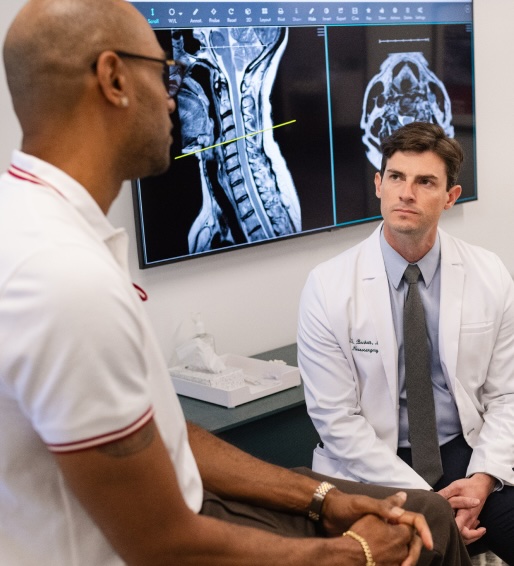
Under the care of spine neurosurgeon Dr. Joel Beckett in Marina del Rey, Beverly Hills, and Las Vegas, both your surgery and recovery plan are tailored to your specific diagnosis, goals, and lifestyle so you can safely return to the activities that matter most to you. With advanced training in both minimally invasive spine surgery and complex spinal deformity, Dr. Beckett tailors surgical and recovery strategies to each patient’s diagnosis, health profile, and goals. His approach emphasizes realistic timelines, careful guidance, and a steady return to activity rather than rushed milestones or generic advice.
What Makes Minimally Invasive Spine Surgery Different?
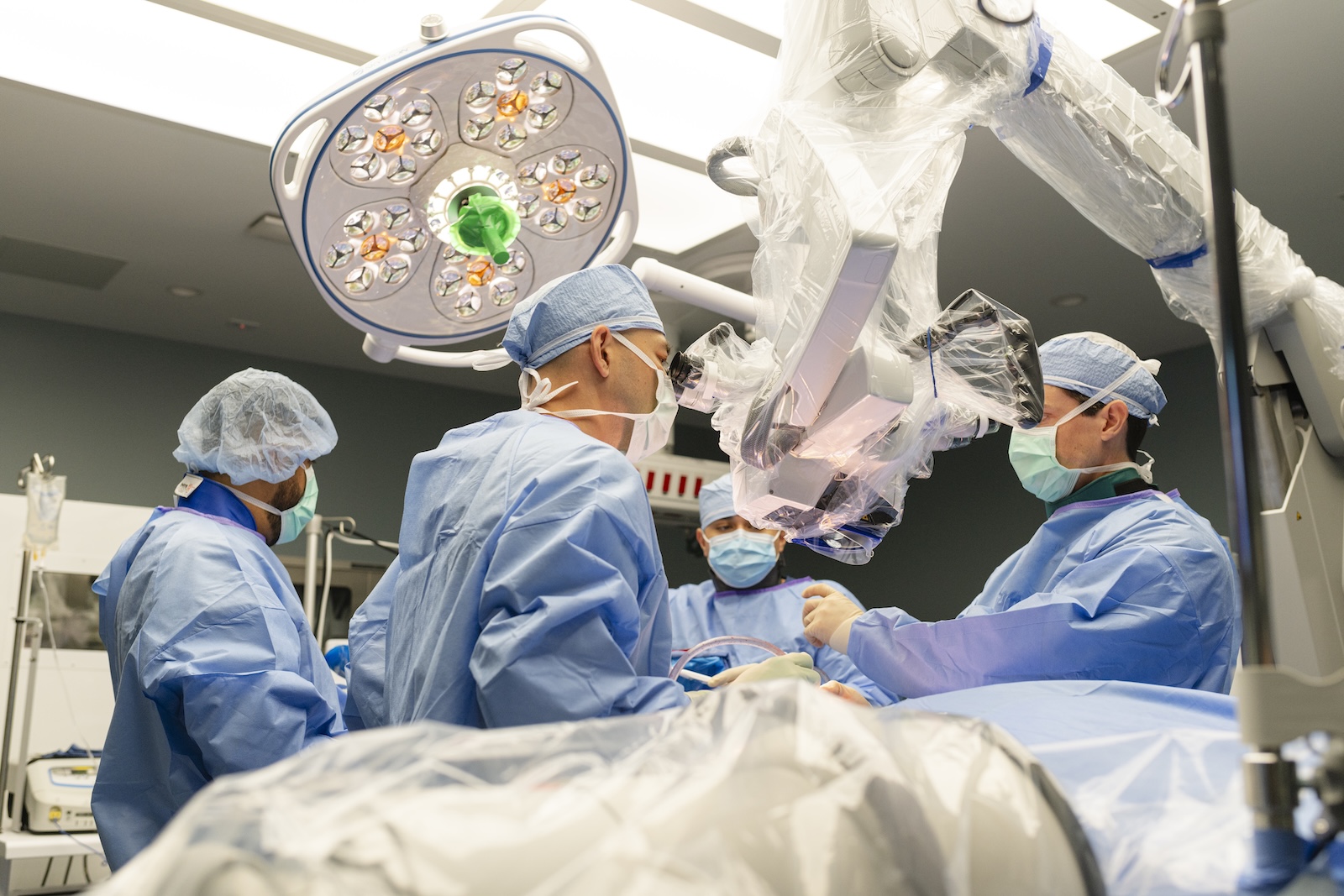
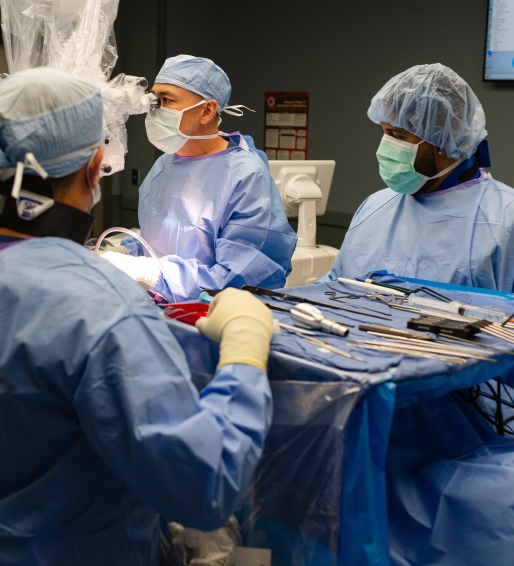
Minimally invasive spine surgery uses smaller incisions and specialized instruments to reach the spine with far less disruption to surrounding muscles and soft tissues. Instead of stripping muscle away from bone, the surgeon works through natural tissue planes with retractors or focused access points. This approach preserves normal anatomy whenever possible while still allowing precise treatment of the underlying problem.
Compared with traditional open spine surgery, the differences matter in practical ways. Smaller incisions typically mean less blood loss during surgery and reduced postoperative pain. Many patients spend less time in the hospital, and most procedures allow same-day discharge rather than several nights of inpatient care. Recovery often progresses more quickly, with earlier return to walking, daily activities, and, in appropriate cases, work. That said, faster does not mean rushed. Healing still requires respect for tissue recovery and nerve health.
Common minimally invasive procedures include microdiscectomy for a herniated disc, which relieves nerve pressure through a focused removal of disc material. Minimally invasive lumbar decompression treats spinal stenosis by removing the structures that compress nerves while preserving spinal stability. Minimally invasive fusion addresses conditions such as spondylolisthesis or mechanical instability, combining smaller incisions with modern fixation techniques to support long-term alignment and strength.
The goal of a minimally invasive approach is not simply smaller scars. The priority remains durable pain relief, neurologic safety, and functional restoration. By limiting unnecessary tissue injury, minimally invasive surgery can reduce downtime while protecting the spine’s ability to support an active life.
Factors That Affect Your Recovery Timeline
No two patients heal at the same rate after spine surgery. Even when procedures look similar on paper, recovery can differ meaningfully based on both surgical and personal factors. Understanding these variables helps set realistic expectations and prevents unhelpful comparisons with other patients.
Several key elements shape how recovery unfolds:
- Type of procedure: A microdiscectomy for a herniated disc often allows a quicker return to activity than a decompression for spinal stenosis. Fusion requires even more recovery time to protect healing bone.
- Location of surgery: Cervical and lumbar procedures affect posture, movement, and daily activities in different ways, which influences early recovery.
- Number of levels treated: Multi-level surgery places greater demands on soft tissues and overall endurance than single-level procedures.
- Age and overall health: General health status affects how efficiently muscles, ligaments, and nerves recover.
- Medical conditions: Smoking, diabetes, bone quality, and other conditions can slow healing or increase complication risk.
- Baseline fitness and strength: Patients with better core strength and conditioning often regain mobility and stamina more smoothly.
- Adherence to post-operative instructions: Respecting activity restrictions, walking guidance, and medication plans play a direct role in recovery quality.
Dr. Joel Beckett considers all these factors when outlining recovery expectations. Rather than offering generic timelines, he develops a personalized, realistic recovery plan that reflects each patient’s procedure, health profile, and goals. This tailored approach helps patients heal safely, avoid setbacks, and return to meaningful activity with confidence.
Day of Surgery and Immediate Post-Op (First 24 Hours)
After minimally invasive spine surgery, patients wake in the recovery area where the care team closely monitors vital signs, comfort, and neurologic function. Pain control begins right away and may include oral medications, intravenous medications, or targeted nerve blocks depending on the procedure and individual needs. Early assessment of arm or leg strength and sensation confirms that nerves function as expected after surgery.
Once patients are alert and stable, the team assists with sitting, standing, and taking short walks. Early, gentle movement supports circulation, reduces stiffness, and helps patients regain confidence in their body. Most procedures allow safe discharge the same day, though some require an overnight stay for observation and pain management. That decision depends on the type of surgery, overall health, and how patients feel in the hours after surgery.
Throughout the first 24 hours, the focus remains on comfort, safety, and steady progress rather than speed. Patients receive clear guidance and support to ensure a controlled, confident start to recovery.
The First Few Days at Home: Pain, Mobility, and Wound Care
During the first few days at home, most patients notice some muscle tightness rather than deep spinal pain. Discomfort often feels different from preoperative symptoms and tends to improve gradually. Prescribed pain medications should be used exactly as directed, with the goal of maintaining comfort while staying alert and mobile. When recommended, ice can help reduce swelling, and a brace may provide support during early movement. It is generally best to avoid heat until the incision fully heals unless the care team advises otherwise.
Early mobility matters. Short walks several times a day and frequent position changes help reduce stiffness and support circulation. Incision care remains simple but important. Keeping the area clean and dry supports normal healing. Mild redness and tenderness around the incision are expected, while fever, increasing redness, or drainage warrant a call to the office.
Heavy lifting, aggressive bending or twisting, and driving should wait until clearance from the surgeon. These early precautions lay the groundwork for smoother recovery in the weeks ahead.
Week 1–2: Building a Foundation for Healing
During the first one to two weeks after surgery, many patients notice steady, meaningful progress. Pain often becomes easier to manage, which allows gradual reduction in medication use. Getting in and out of bed or chairs usually requires less effort, and walking distances tend to increase in both length and frequency. Sleep often improves, and most patients can manage light self-care activities with greater comfort and confidence.
Despite these gains, important limits remain in place. Heavy lifting, high-impact exercise, and deep bending or twisting should remain off limits during this phase. Pushing beyond these boundaries can delay recovery or trigger setbacks, even when patients start to feel better.
Dr. Beckett will provide instructions regarding activity and brace use when indicated. These details help protect the surgical site while building strength and endurance in a controlled, predictable way.
Week 3–6: Returning to Light Activity
Weeks three through six often mark a transition from early healing to a more functional recovery. Many patients notice a clear reduction in leg or arm pain compared with symptoms before surgery, particularly after decompression or microdiscectomy. At the same time, back or neck muscles may fatigue with longer periods of activity, especially as patients begin to do more around the house or return to desk-based work. Regular breaks and thoughtful ergonomic adjustments help prevent overuse during this phase.
Formal physical therapy may begin if recommended. Early therapy emphasizes gentle core strengthening, posture awareness, flexibility, and gait mechanics rather than aggressive exercise. The goal is to restore efficient movement patterns and rebuild support around the spine without placing excess stress on healing tissues.
Progression during this window depends on the procedure performed. Fusion surgery requires a more cautious pace than decompression or microdiscectomy because bone healing must occur alongside soft tissue recovery. Dr. Beckett adjusts activity restrictions and therapy plans based on the specific operation and each patient’s response to increased activity, ensuring steady advancement without unnecessary risk.
Returning to Work, Driving, and Exercise
Decisions about returning to normal activities depend on more than time alone. Driving typically resumes once patients can move comfortably, react quickly, and no longer require narcotic pain medication. Safe driving also depends on neck or back mobility and the ability to sit without distraction from pain.
Sedentary or desk-based work often resumes earlier than physical jobs, especially when patients can take breaks, adjust ergonomics, and limit prolonged sitting. For patients with physically demanding occupations, return to work usually occurs in stages. Light-duty tasks may come first, with gradual progression toward full responsibilities as strength, endurance, and spinal tolerance improve.
Exercise follows a similar stepwise pattern. Walking, stationary cycling, and gentle stretching often begin earlier, while running, weightlifting, and high-impact sports require additional healing time and careful clearance.
Timelines vary widely by procedure, job demands, and individual recovery. Dr. Beckett clears patients for activity using an individualized approach, balancing safe return to activity with long-term spine health.
Long-Term Healing: 3 Months and Beyond
By three months after surgery, many patients feel significantly better, but healing continues well beyond this point. Muscles and soft tissues keep adapting as strength and endurance improve. When fusion forms part of the procedure, bone healing progresses over several months and requires ongoing protection. Nerves also recover at their own pace, and improvement in sensation or strength may continue long after early pain relief appears.
At three months, many patients resume most daily activities with greater comfort and confidence. By six months, endurance and functional tolerance often increase further, allowing broader participation in work, exercise, and recreation. At one year, many patients reach a stable baseline that reflects the full benefit of surgery. Even then, some may notice occasional stiffness or fatigue after heavy or prolonged use, particularly during demanding activities.
The goal is more than short-term symptom relief. The focus remains on lasting pain control, spinal stability, and durable function that supports an active life over time. Respecting the full healing process helps protect long-term outcomes rather than chasing early milestones alone.
Recovery Differences by Procedure Type
Recovery expectations depend in large part on the specific minimally invasive procedure performed. While individual healing still varies, each surgery carries its own typical pace and priorities. Understanding these distinctions helps patients anticipate what matters most during recovery.
Microdiscectomy
Microdiscectomy often allows a quicker return to activity and work for appropriate patients. Relief of leg or arm pain may appear early as nerve compression resolves. Recovery emphasizes protecting the treated disc during healing, with careful attention to posture, movement mechanics, and gradual strengthening to reduce the risk of re-herniation.
Minimally Invasive Decompression
Minimally invasive decompression commonly improves leg symptoms early, particularly walking tolerance. Back soreness remains common in the first several weeks as muscles and soft tissues recover from surgery. Progress tends to occur steadily, with gradual increases in activity as comfort and endurance improve
Minimally Invasive Fusion
Minimally invasive fusion involves both soft tissue healing and bone healing, which requires a more structured and cautious progression. Activity restrictions remain in place longer to protect alignment and allow the fusion to mature. Recovery focuses on staged increases in activity and close adherence to guidance during the bone-healing phase.
For every procedure, Dr. Beckett reviews procedure-specific milestones and restrictions in detail. This individualized approach helps patients understand their own recovery path rather than relying on generalized timelines.
Physical Therapy and Rehabilitation: What to Expect
Physical therapy plays a central role in both recovery and long-term spine health after surgery. The timing of therapy depends on the procedure performed, the pace of healing, and individual factors such as pain control and mobility. Some patients begin structured therapy within a few weeks, while others wait longer, particularly after fusion, to protect early healing.
Therapy focuses on restoring efficient, supportive movement rather than aggressive exercise. Programs typically include core stabilization, hip and lower extremity strengthening, flexibility work, and balance training. These elements help offload the spine, improve posture, and reduce strain during daily activities. Education remains an essential component. Patients learn proper body mechanics, safe lifting techniques, and posture strategies for both work and home environments.
The purpose of rehabilitation extends beyond symptom control. Therapy aims to help patients return to the activities that matter most to them, whether that means caring for children, performing job duties comfortably, or resuming recreational and athletic pursuits with confidence and control.
Common Symptoms and What’s Normal vs Concerning
Symptoms that are often normal during recovery:
- Mild soreness or tenderness around the incision
- Occasional muscle spasms in the neck or back
- Increased tiredness or soreness after adding new activity
Symptoms that require a call to the office or urgent evaluation:
- Fever or chills
- Drainage from the incision
- New or worsening weakness, numbness, or loss of bladder or bowel control
- Sudden, severe back or leg pain that feels clearly different from typical post-operative discomfort
When something feels off, it is always better to call and ask rather than wait. Early clarification helps protect recovery and prevent avoidable complications.
How to Support a Smooth Recovery at Home
A well-prepared home environment makes early recovery easier. A few practical steps make a meaningful difference for both patients and caregivers.
- Prepare the home in advance by clearing walkways, setting up a comfortable sleeping area, and arranging help with meals or household tasks.
- Plan for someone to assist during the first few days, particularly with transportation, meal preparation, and basic chores.
- Maintain a regular walking and movement schedule to prevent stiffness and support circulation.
- Eat a balanced diet, stay well hydrated, and avoid tobacco, which can impair healing.
- Use assistive tools such as grabbers, shower chairs, or raised toilet seats when advised to reduce bending and strain.
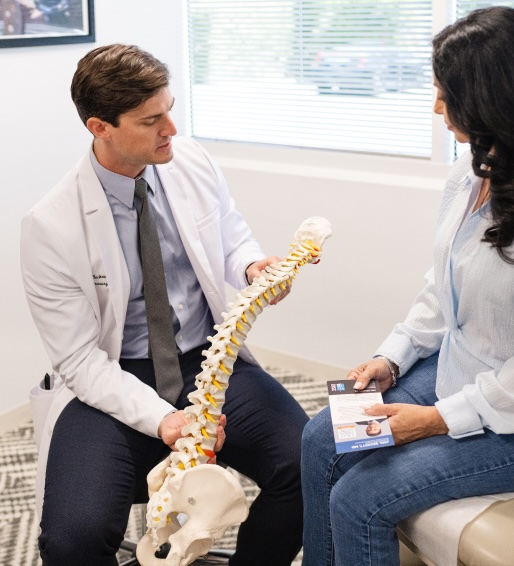
Questions often arise about what helps and what may create unnecessary risk at home. Dr. Beckett and his team serve as a resource for guidance on safe home setup and early recovery planning, helping patients move forward with confidence.
Follow-Up Visits and Long-Term Partnership with Your Surgeon
Follow-up care plays a critical role in safe recovery after minimally invasive spine surgery. Patients typically return for an early post-operative visit, followed by appointments around six weeks and three months, with additional visits scheduled as needed based on the procedure and recovery progress. These checkpoints allow recovery to proceed in a controlled, informed manner rather than by guesswork.
At each visit, several key areas receive attention:
- Review of symptoms, daily function, and activity tolerance
- Examination of the incision and, when appropriate, imaging to assess healing and alignment
- Thoughtful adjustments to activity restrictions, physical therapy, and return-to-work timing
Recovery does not end when surgery does. It unfolds through ongoing collaboration, clear communication, and shared decision-making. Viewing recovery as a partnership between patient and surgeon helps ensure durable results rather than short-term improvement alone.
When to Call Dr. Beckett’s Office
Patients should not hesitate to contact the office with questions or concerns during recovery. Reaching out early often prevents small issues from becoming larger problems.
- Questions about medications, dosing, or side effects
- Concerns about incision appearance, redness, drainage, or fever
- Changes in neurologic symptoms, including weakness, numbness, or bladder or bowel control
- Uncertainty about whether a new or worsening symptom is part of normal recovery
Recovery should not rely on guesswork or endurance. When something feels wrong or unclear, calling the office allows concerns to be addressed promptly and safely.
Planning Your Minimally Invasive Spine Surgery in Marina del Rey, Beverly Hills or Las Vegas
Minimally invasive spine surgery offers meaningful advantages for many patients, including less tissue disruption, shorter hospital stays, and a more efficient recovery compared with traditional open procedures. At the same time, it remains real surgery that requires thoughtful preparation, realistic expectations, and guided recovery. When patients understand both the benefits and the demands of healing, they place themselves in the best position for a durable outcome.
Dr. Beckett brings experience in both minimally invasive and complex spine surgery, with a focus on individualized care. Each treatment plan reflects the patient’s diagnosis, health profile, and goals, with recovery timelines tailored to match both the procedure and the life the patient wants to return to. This approach prioritizes long-term function and stability rather than short-term milestones alone.
Patients throughout Los Angeles and beyond seek care at Beckett NeuroSpine in Beverly Hills and at DISC Sports and Spine Center in Marina del Rey for advanced spine surgery with a focus on motion preservation and guided recovery. If you are considering minimally invasive spine surgery, a consultation provides the opportunity to determine whether it is appropriate for your condition and to understand what your personal recovery timeline may look like.