


5 Effective Non-Surgical Spine Treatments in Los Angeles
Most back and neck pain does not require surgery. Studies suggest that most spinal conditions respond well to conservative care when treatment begins early and follows a structured approach. Indeed, 9 out of 10 patients with neck or low back pain never need spine surgery. That reality drives the “conservative-first” philosophy many spine specialists follow: exhaust non-surgical options before considering an operation, and reserve surgery for cases where it is truly necessary.
In greater Los Angeles, you have access to a wide range of advanced non-surgical spine treatments, from targeted physical therapy to image-guided injections and cutting-edge nerve treatments. These options are often used in combination and tailored to your specific diagnosis, goals, and lifestyle. Dr. Beckett can explore these options with you so you can return to the activities that matter most to you, whether that means walking the Strand, hiking in Griffith Park, or simply getting through the workday without pain.
Types of Non-Surgical Spinal Treatments
Non-operative spine care refers to any treatment approach designed to address back or neck pain without surgery. The goals are straightforward: relieve pain, improve daily function, reduce inflammation, and, when possible, delay or avoid the need for an operation entirely. For many patients, a structured plan that combines multiple conservative therapies delivers meaningful relief without an incision.
1. Physical Therapy and Guided Rehabilitation
Physical therapy serves as the cornerstone of non-surgical spine care. Structured rehabilitation programs focus on strengthening the core muscles that support the spine, which helps offload pressure from irritated discs, joints, and nerves. Therapy also addresses posture, flexibility, and movement mechanics, helping patients restore efficient motion patterns that reduce strain during daily activities. For many patients, a consistent physical therapy program delivers meaningful pain relief and functional improvement without the need for injections or surgery.
2. Injections
Spine injections deliver anti-inflammatory medication directly to irritated nerves or joints under image guidance. Common types include epidural steroid injections, which reduce inflammation around the spinal cord and nerve roots; selective nerve root blocks, which help confirm and treat a specific pain generator; and facet joint injections, which target arthritic joints in the back of the spine. These treatments aim to reduce swelling and nerve irritation rather than mask symptoms. Relief may last weeks to months and varies based on diagnosis and chronicity.
Injections are often used for radiating leg pain related to sciatica or disc herniation when nerve inflammation plays a primary role. By calming the affected nerve root, injections can improve function and allow patients to participate more effectively in physical therapy and rehabilitation. They are typically one component of a broader, structured treatment plan rather than a stand-alone solution.
3. Radiofrequency Ablation (RFA)
Radiofrequency ablation is a minimally invasive procedure used to treat chronic back or neck pain that originates from arthritic facet joints. These small joints connect the vertebrae and can become a persistent source of pain as they degenerate over time.
During RFA, targeted heat is applied to the small sensory nerves that carry pain signals from the affected facet joints. By interrupting these signals, the procedure can reduce pain without altering the structure of the spine. RFA does not treat disc-related pain or nerve compression and is not appropriate for all causes of back pain.
Careful patient selection is essential. RFA is typically considered only after diagnostic facet joint or medial branch blocks confirm the facet joints as the primary pain source. When properly selected, some patients experience meaningful pain reduction and improved function for several months, though results vary and the nerves can regenerate over time.
RFA often serves as part of a broader pain management strategy, helping patients maintain mobility and participate in rehabilitation rather than replacing the need for long-term spine care.
4. Lifestyle Modifications
Daily habits place continuous stress on the spine, often determining whether symptoms improve or persist. Activity level, posture, body mechanics, sleep quality, and body weight all influence spinal load and inflammation. Addressing these factors can meaningfully reduce pain and improve function, particularly when changes align with a patient’s specific diagnosis.
Lifestyle modification does not mean inactivity. It means selecting movement that supports healing rather than aggravation. For some patients, this involves adjusting work ergonomics, limiting prolonged sitting, or modifying high-impact exercise. For others, it may mean structured walking, swimming, or low-impact conditioning that maintains mobility without worsening symptoms.
Dr. Beckett emphasizes individualized guidance rather than generic advice. Activity recommendations depend on the underlying pain generator, neurologic findings, and response to prior treatment. When applied thoughtfully, lifestyle adjustments can reduce symptom flare-ups, support rehabilitation, and in some cases eliminate the need for more invasive intervention.
5. Advanced Nerve Stimulation (Neuromodulation)
Neuromodulation refers to implantable therapies that modify pain signaling within the nervous system rather than treating a structural problem in the spine. These treatments are typically considered only after more conventional non-surgical options such as physical therapy and targeted injections have failed to provide durable relief.
Spinal cord stimulation is the most common form of neuromodulation used in spine-related pain. It delivers low-level electrical signals to specific areas of the spinal cord to alter how pain is perceived. Neuromodulation does not correct disc degeneration, instability, or nerve compression, and it is not appropriate for all pain patterns.
Careful patient selection is essential. Candidates typically undergo a temporary trial before any permanent device is implanted to confirm meaningful symptom improvement and functional benefit. When appropriately selected, neuromodulation can help some patients manage chronic pain and reduce reliance on medication, but it remains part of a long-term management strategy rather than a cure.
How Doctors Decide Which Non-Surgical Treatment Is Right
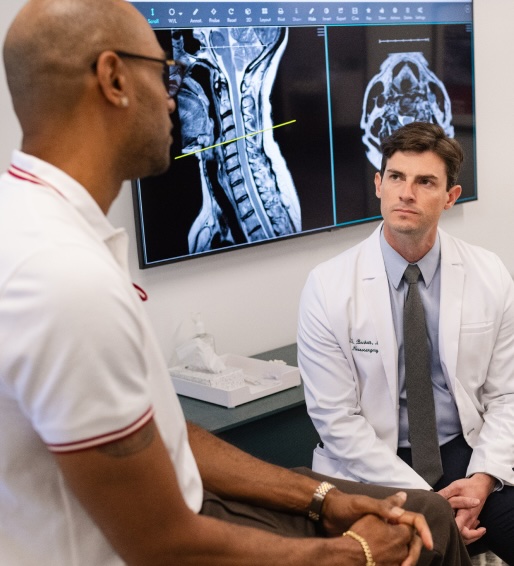
Choosing the appropriate non-surgical treatment is not a matter of preference or availability. It requires careful correlation between a patient’s symptoms, physical examination, and imaging findings. Structural changes on an MRI alone do not dictate treatment; many abnormalities are common and painless, while significant symptoms may arise from subtle findings.
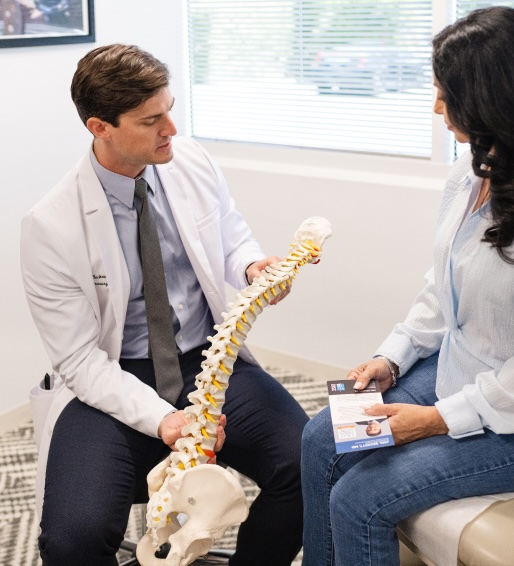
Dr. Beckett begins by identifying the true pain generator. He evaluates how symptoms behave with activity and rest, assesses neurologic function, and reviews imaging in context rather than isolation. This process helps distinguish disc-related pain from joint degeneration, nerve inflammation, or mechanical instability—conditions that respond to very different treatments.
Treatment selection also depends on symptom severity, duration, functional impact, and response to prior therapies. A highly active patient with recent nerve irritation may require a different approach than someone with long-standing, degenerative pain. Non-surgical care often proceeds in a stepwise fashion, using early response to guide escalation or refinement rather than committing to a fixed plan.
The goal is proportional care: the least invasive intervention that safely addresses the problem while preserving future options. When non-surgical treatment is chosen thoughtfully, it can relieve symptoms, restore function, and in many cases eliminate the need for surgery altogether.
When Non-Surgical Treatment Isn’t Enough: Signs You May Need Surgery
Non-surgical treatment plays a central role in spine care, but it is not appropriate for every condition or every stage of disease. In some situations, delaying surgery can place nerves or spinal stability at risk. Recognizing when conservative care has reached its limits is as important as knowing when to begin it.
Surgery may be necessary when neurologic function is threatened. Progressive weakness, worsening numbness, difficulty with balance, or changes in bowel or bladder control require prompt evaluation and often urgent intervention. These findings suggest active nerve or spinal cord compromise rather than inflammation alone.
Surgery may also be considered when pain and functional limitation persist despite a structured, well-executed course of non-surgical care. This typically involves months of targeted treatment rather than isolated or inconsistent attempts. The decision depends on whether symptoms, examination findings, and imaging clearly align and whether continued conservative care is unlikely to provide meaningful improvement.
Is Non-Surgical Treatment Right for You?
Non-surgical spine treatment is often the right starting point for patients with back or neck pain, but it is not a one-size-fits-all solution. Whether conservative care is appropriate depends on an accurate diagnosis, the nature and duration of symptoms, neurologic findings, and how your condition affects daily function. When these factors align, non-operative treatment can provide meaningful relief while preserving spinal motion and avoiding unnecessary intervention.
If you are dealing with persistent back or neck pain and want a clear, honest assessment of your options, a consultation with Dr. Joel Beckett can help determine whether non-surgical treatment is appropriate for your condition. At Beckett NeuroSpine in Beverly Hills and DISC Sports & Spine Center in Marina del Rey, every treatment plan begins with careful evaluation and a conservative-first philosophy, with surgery reserved only when it is truly necessary. Schedule a consultation to gain clarity, explore your options, and move forward with a plan built around your diagnosis, goals, and long-term spine health.