

Cervical Disc Replacement vs. Fusion Understanding Your Options for Neck Pain Relief
Chronic neck pain or a herniated disc can turn everyday activities like working at a computer or driving into a constant struggle, making even simple routines feel overwhelming. Many people facing these problems are told they need a procedure called “fusion,” which has long been the standard solution for stabilizing the spine and relieving pain. However, newer treatment options, such as motion-preserving cervical disc replacement, allow some patients to maintain more natural movement in their neck and potentially enjoy a quicker recovery.
Choosing between these two surgeries is a big decision that can affect your comfort, long-term mobility, and quality of life. Dr. Joel Beckett is dedicated to helping every patient understand both spinal fusion and disc replacement. In doing so, each patient can select the solution that matches their unique anatomy, symptoms, and lifestyle goals. With expert guidance, you can be empowered to make an informed decision for better neck health, pain relief, and lasting function.
What Is Cervical Disc Replacement?
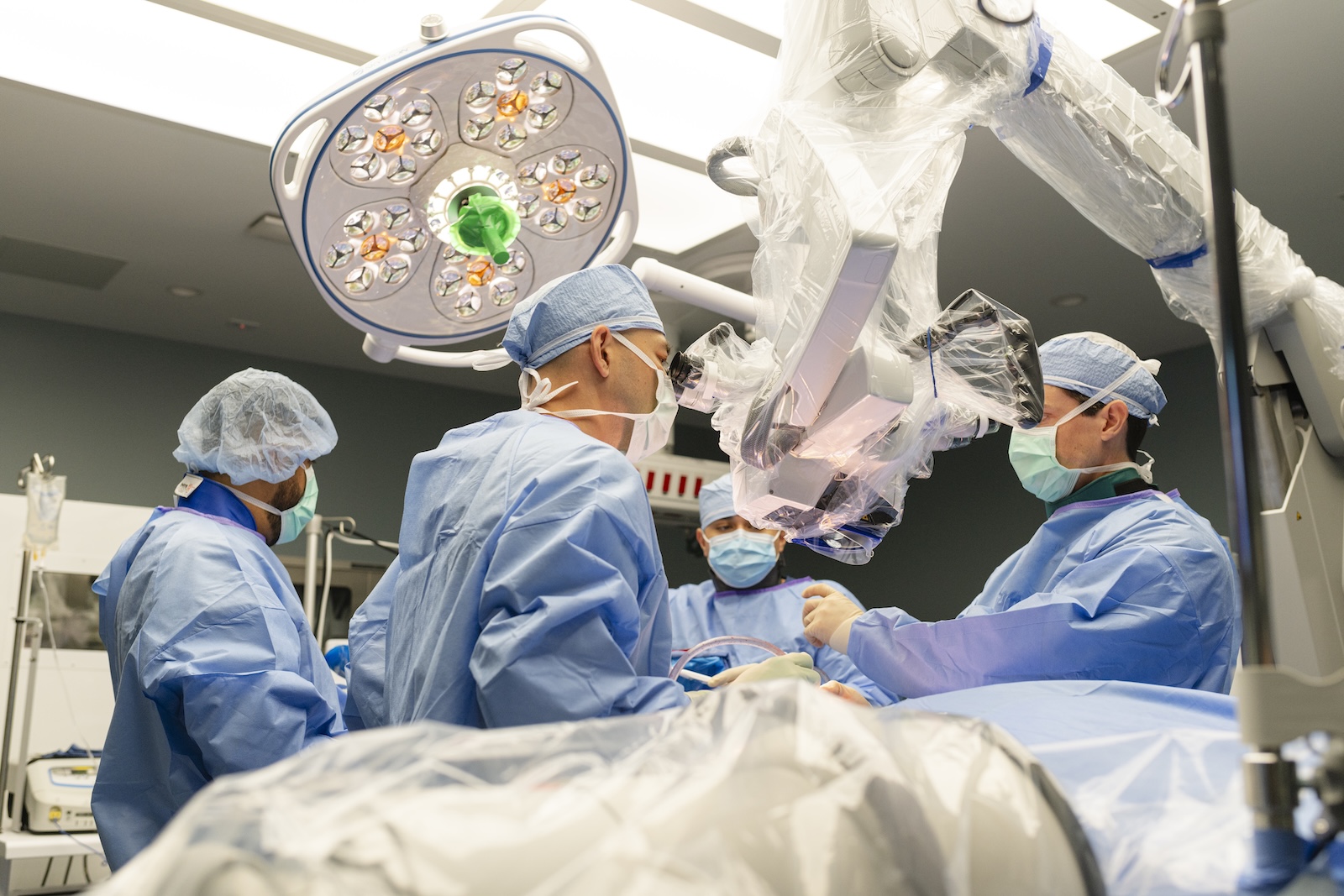
Cervical disc replacement is a type of spine surgery in the neck where a worn out or herniated disc (the cushion between the bones in your neck) is removed and replaced with an artificial disc. The artificial disc is designed to move more like a natural one, so instead of permanently fusing the bones together, this motion-preserving implant helps maintain normal bending and turning in your neck. Thus, a cervical disc replacement relieves pressure on pinched nerves that can cause arm pain, weakness, or numbness.
What Is Spinal Fusion?
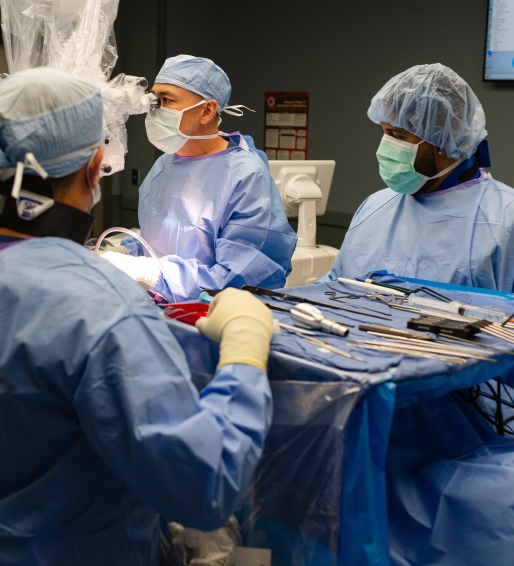
Spinal fusion is a type of spine surgery in the neck in which two or more vertebrae are permanently joined together to eliminate movement between them. During the procedure, the surgeon removes the damaged disc causing pain or nerve pressure and places a bone graft or a bone-like material between the vertebrae to encourage them to grow into a single, solid bone. Metal plates, screws, or rods are often used to hold the bones in place while they heal, resulting in a stable spine but with reduced flexibility at the fused segment. This surgery relieves pain by stopping the motion that aggravates nerve irritation.
Key Differences Between Cervical Disc Replacement and Fusion
Use this side-by-side comparison to see how cervical disc replacement and fusion differ in goals, recovery, and long-term spine health.
| Factor | Cervical Disc Replacement | Spinal Fusion |
| Goal | Preserve motion at the treated level while relieving pressure on nerves and spinal cord. | Stabilize the treated level and relieve pressure on nerves and spinal cord. |
| Pain Relief | Neck and arm pain relief comparable to fusion in carefully selected patients. | Neck and arm pain relief similar to disc replacement in carefully selected patients. |
| Mobility | Maintains motion at the treated level, so overall neck movement usually stays closer to normal. | Eliminates motion at the treated level, so overall neck movement often decreases somewhat. |
| Adjacent Segment Stress | May reduce stress on nearby levels and lower the risk of later degeneration in some long-term studies. | Can increase stress on nearby levels, which may raise the risk of later degeneration over time. |
| Recovery Time | Early recovery and return to usual activities often occur faster by weeks to a few months compared with fusion. | Longer recovery and return to usual activities often occur within months, though pace may be slower than with disc replacement. |
| Implant Longevity | Strong outcome data of 10+ years for many devices; very long-term performance may differ by implant design and patient factors. | Bone fusion is intended to be permanent, though nonunion or hardware problems sometimes develop and can require additional treatment or revision surgery. |
How Surgeons Decide Which Option Fits You
Surgeons consider several important factors when deciding between cervical disc replacement and spinal fusion for each patient. Key factors include the level and severity of disc degeneration, the strength and health of the bones (bone quality), the shape and alignment of the spine (anatomy), and whether the patient has had previous neck surgeries or injuries. Age and activity level also matter, since highly active or younger patients may benefit from motion-preserving options, while fusion might be better for those with more advanced arthritis or instability. Surgeon experience and local practice patterns, as well as patient preferences and lifestyle goals, all play a role in the final decision.
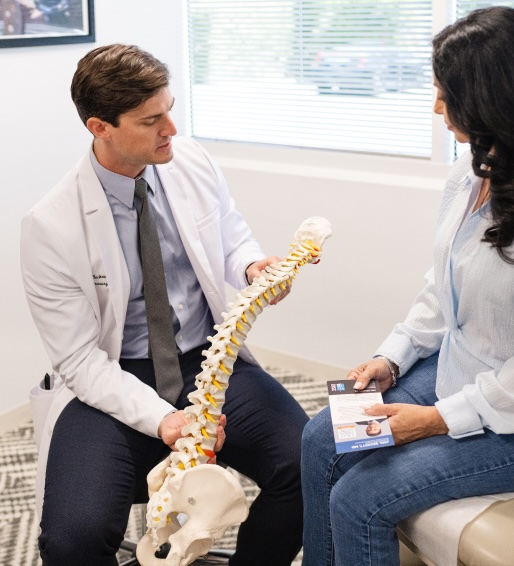
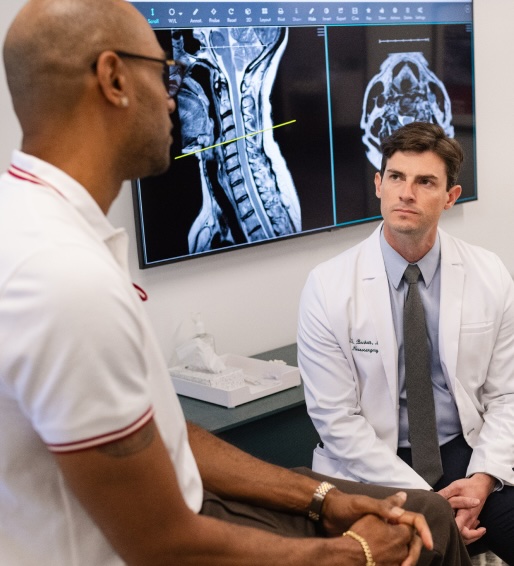
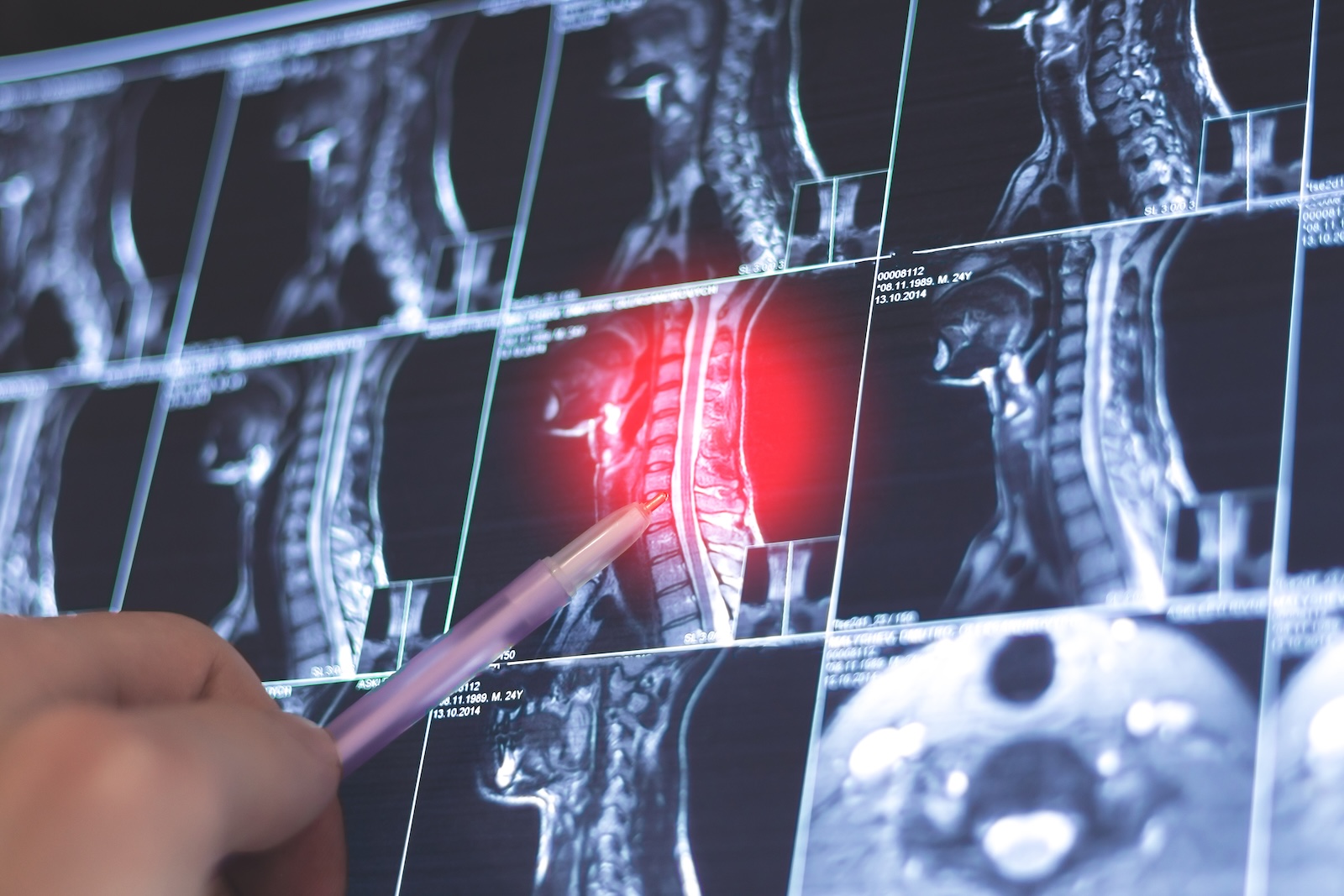
Dr. Joel Beckett uses a patient-centered approach, carefully reviewing each person’s anatomy, symptoms, and lifestyle to help find the right long-term solution for their unique needs. In fact, he is known to educate patients on their imaging and treatment options so they may take part in shared decision-making.
Recovery and Long-Term Outlook
Recovery from cervical disc replacement generally takes about 6 to 12 weeks, with many patients noticing significant improvement and return to normal activities within this timeframe. Spinal fusion typically requires a longer recovery period, often 12 weeks or more, due to the need for the fused bones to fully heal and solidify. Physical therapy plays a critical role in both surgeries, helping patients gradually rebuild neck strength, flexibility, and function while ensuring a safe return to daily activities. When performed by an experienced surgeon for the right reasons, both cervical disc replacement and spinal fusion can provide excellent long-term relief from pain and improved quality of life.
Common Questions About Cervical Disc Replacement vs. Fusion
What is better cervical disc replacement or cervical fusion?
For many active patients, cervical disc replacement offers important advantages. It preserves motion at the treated level, which may reduce stress on nearby discs and lower the long-term risk of adjacent segment problems. It also often allows a quicker return to normal activities compared with fusion. Fusion still plays a crucial role when there is severe arthritis, instability, or deformity, so the “better” choice depends on your anatomy, number of levels involved, and activity goals.
Can I return to sports or work after disc replacement?
Most patients return to desk work within a few weeks after cervical disc replacement, with more time needed for physical jobs and higher impact sports. Your exact timeline depends on healing on imaging, neck strength, and the type of sport or work, so your surgeon should give a level-by-level, job-specific plan.
Is disc replacement covered by insurance?
Many major insurers now cover cervical disc replacement when you meet specific medical criteria, but policies differ by plan, device, and number of levels. You should ask the surgeon’s office to obtain a detailed preauthorization so you know in advance what your out-of-pocket costs will be.
Can fusion fail or require revision?
Yes. Most fusions heal well, but some do not form solid bone (nonunion), hardware can loosen or break, and nearby levels can wear out over time, which sometimes leads to new symptoms and further surgery. Your surgeon should review your personal risk factors and what warning signs would prompt evaluation for a possible revision.
What happens if my condition involves multiple levels?
Multilevel disease is more complex and often requires a tailored plan that may include cervical disc replacement, combine cervical disc replacement at some levels and fusion at others (hybrid surgery), or fusion alone if arthritis or deformity is severe. Device approvals, your anatomy, and overall alignment all influence what is safe and durable over the long term.
Are there age limits for disc replacement?
There is no strict age cutoff, but cervical disc replacement usually suits younger to middle-aged adults with good bone quality and limited arthritis in the facet joints. Older patients or those with osteoporosis, significant deformity, or advanced arthritis more often do better with fusion, which your surgeon should explain in clear, age-specific terms.
Choosing the Right Path for Your Spine Health
Every patient’s spine is unique—what works well for one person may not be the best solution for someone else. Dr. Beckett’s primary goal is to restore motion, relieve pain, and protect long-term function, all while considering the full picture of your spine health and lifestyle needs. If you’re deciding between cervical disc replacement and spinal fusion, consider scheduling a consultation with Dr. Joel Beckett in Marina del Rey or Beverly Hills so you can review your options together and map out a personalized treatment plan focused on your symptoms, anatomy, and specific goals.